Capitals Wire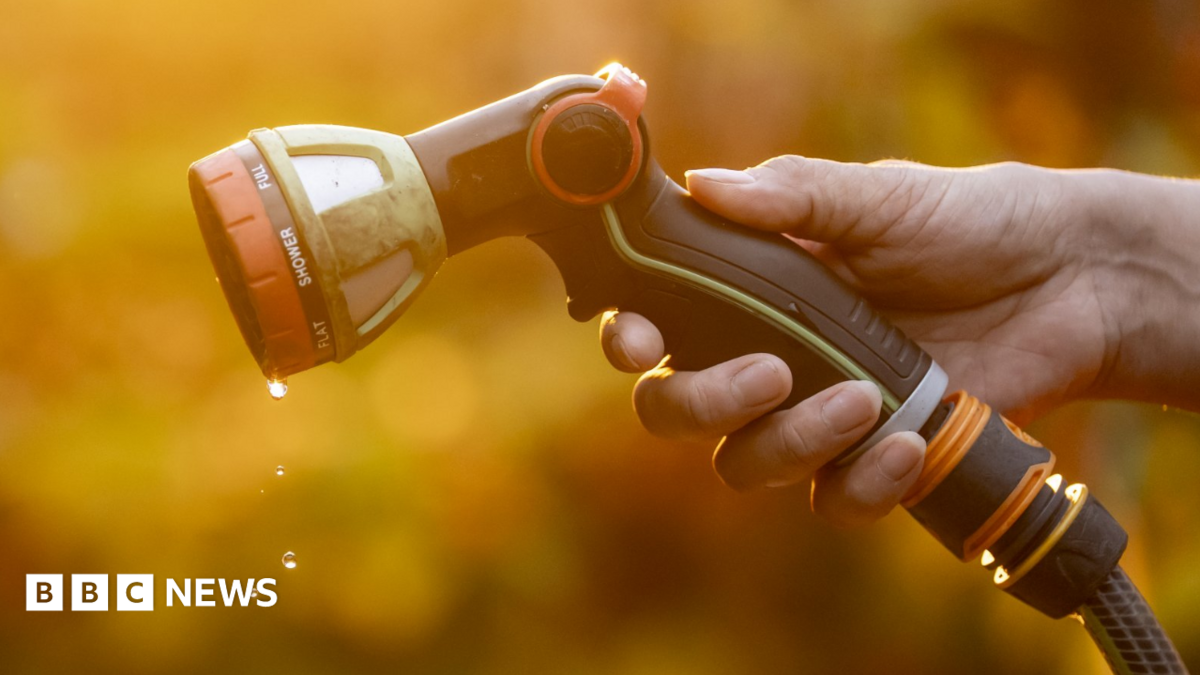
Image source, PA Image caption, Wessex Water said demand has gone down since the ban By Clara Bullock West of England Water companies say that while households are using less water now, the hosepipe ban is staying in place. Wessex Water and Bristol Water introduced a hosepipe ban last month, the first since the famous summer of 1976, after seeing exceptionally high demand on their networks over a prolonged period. But why is the ban still in place even after we have seen some rainfall in the area?
We have put together all the information you need. Figure caption, Why was the hospipe ban introduced? The hosepipe ban came after one of the driest spells ever recorded in the south-west of England, with only 61% of the expected rainfall in the last six months and a succession of heatwaves over the summer.
While the weather has now cooled and rain has returned in spells, Wessex Water said the hosepipe ban would remain in place for now while reservoir, groundwater and river flow levels are closely monitored. According to the Met Office, Somerset has had provisionally 34% of the rain it would ordinarily expect to see in September so far, Bristol 29%, Gloucester 39% and Wiltshire 37%. A spokesperson for the Met Office explained: "That all being said, provisionally is a key word here, and also, it's important to note that our climate in the UK is so changeable, and September tends to see rain and showers interspersed with dry conditions too, with a bit of the month left to go." Image source, Duncan Palmer Image caption, Farmers are running out of water as the area remains in drought conditions Why is the hosepipe ban continuing in the autumn?
Water supply director at Wessex Water, Paul Saynor, said the hosepipe ban is helping to reduce demand on water sources. "As we move into late summer and early autumn, it is normal for groundwater and reservoir levels to be lower than earlier in the year. We then rely on continued rainfall during the late autumn and winter to help replenish those resources," Saynor said.
Bristol Water said they are continuing to monitor the situation closely. "Lifting the ban will depend on how our storage and conditions on the River Severn recover in preparation for what is being predicted to be another very dry summer next year," a spokesperson said. What will need to happen for the ban to be lifted?
The National Drought Group said the recent rain has not been enough to replenish water supplies, with drought only being over when rivers, groundwater and reservoirs return to normal levels. The recent wetter conditions have helped rivers recover, and only 15% are now classed as below normal levels, officials said. Research from the Environment Agency showed the country will need 120% of typical rainfall over the next seven months for all areas to be considered out of drought.
Get in touch Tell us which stories we should cover in Somerset
Source: BBC